| |
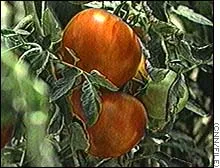
| Tomatoes are rich in phytochemicals believed to have anticancer properties | |
A summary study in the journal of the national cancer institute found there was enough data to show convincingly "that high consumers of tomatoes and tomato products are at substantially decreased risk of numerous cancers, although probably not all cancers."
The study analyzed 72 past studies that had examined the link between various cancers and the consumption of tomatoes and tomato-based products. some of the studies also analyzed the blood levels of lycopene, a compound principally found in tomatoes that protects cells from cancer-causing oxidants.
In all, 57 of the 72 studies linked tomato intake with a reduced risk of cancer, Dr. edward giovannucci of harvard medical school said in the report he authored. in 35 of these studies, he wrote, the connection was strong enough to be "statistically significant," while in another 15 the link was inconclusive or only "slight."
The data are most compelling for cancers of the prostate gland, lung and stomach, giovannucci reported. the findings also suggest links between tomatoes and lower levels of several other cancers, including pancreatic, colorectal, esophageal, oral, breast and cervical cancers.
"It shows that people who eat a large amount of tomatoes have a reduced risk for a number of types of cancers," she said.
Overall, the study shows, "It is good to eat tomatoes as a part of a diet that is rich in other fruits and vegetables," said Dr. moshe Shike, director of the cancer prevention and wellness program at memorial sloan-kettering cancer center in new York.
The individual studies giovannucci examined included tomatoes in many forms, including raw, ketchup, spaghetti sauce, tomato paste, soup and salsa. benefits were found from all those forms, the study concluded, and cooking and processing tomatoes did not diminish the effect.
However, many processed foods containing tomatoes also contain fats and sugars that are not healthful when eaten in excess. or they may be part of meals that contain high-fat items, such as some types of cheese.
Most of the studies examined the dietary differences between people with cancer and those without. in many cases, the primary difference was the consumption of tomatoes or tomato products, or the presence in the blood of high levels of lycopenes.
Some studies merely measured "high" consumption versus none, while other researchers measured the actual tomatoes consumed. one study, for instance, showed a 50 percent reduction in oral cancer when comparing people who averaged one tomato a day with people who ate less than three a week.
The most prominent of these phytochemicals is a compound that leads to the formation of carotenoids, chemicals that can protect cells from the effects of oxidants. tomatoes are a particularly rich source of several carotenoids, including lycopene.
However, giovannucci wrote that lycopene's benefits as a supplement, such as in a vitamin pill, have not been proven. the lowered cancer risk has been demonstrated only for raw or processed tomatoes, not from compounds extracted from the fruit.
"These findings add further support to current dietary recommendations to increase consumption of fruits and vegetables to reduce cancer risk," giovannucci said in the study.